
BLOG
Website development without the rework: how to get it right first time
4 min read
Website development often costs twice: once for the build, then again through rework. This article explains why that happens and how to structure projects to stay focused, controlled and effective from the start.
Most teams do not complain that website development is expensive.
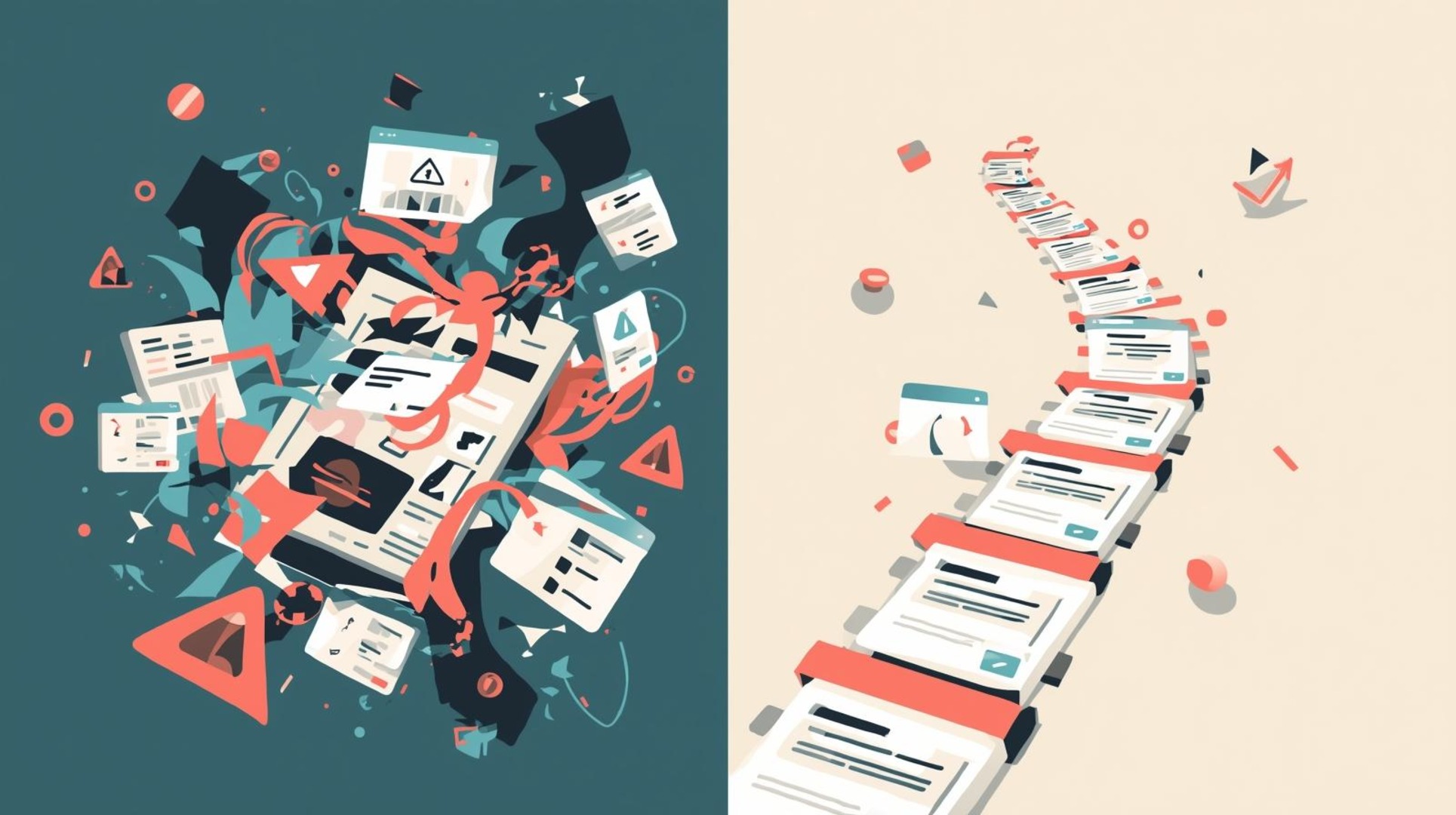
They complain that it is expensive twice.
First you pay for the project. Then, after months of feedback loops, missed expectations and last minute changes, you quietly pay again through rework, internal time and fixes that were never in the original plan.
It might be a home page that keeps getting redesigned, a navigation that has been rewritten four times, or a content structure that no longer matches how you talk about the business. By the time the site launches, everyone is tired and nobody wants to think about website development again for a long time.
It does not have to work like this. With a few smart moves at the start, you can avoid most of the painful rework, keep momentum, and ship a site that works for users and stakeholders first time around.
This article looks at why website development drifts into rework, and how to set up your next project so it feels controlled, focused and genuinely useful.
Why website development so often ends in rework
Rework usually has less to do with code and more to do with clarity.
On the surface, the problems look technical. In reality, they are often caused by how the project is framed and managed.
Common patterns include:
- Goals that are vague, such as “modern” or “more professional”, with no shared picture of success
- Stakeholders who arrive late and ask for fundamental changes after designs are signed off
- Content that is written at the last minute and does not fit the layouts
- Integrations, data flows or compliance requirements that only appear once development has started
All of these lead to the same outcome. Work that looked finished suddenly has to be revisited. Time and budget are spent a second time, just to close gaps that were invisible on day one.
Start website development with outcomes, not layouts
One of the quickest ways to reduce rework is to delay conversations about colours and layouts and talk about outcomes first.
Before anyone opens a design tool, answer a few basic questions in writing:
- What should this website development project achieve in the first 12 to 18 months
- Who are the top three audiences
- Which actions matter most for each audience
For example, you might decide that the real goals are:
- Increase qualified enquiries from two key markets
- Make it easier for partners, funders or evaluators to find project outputs
- Attract better job applicants for specific roles
Once those outcomes are clear, every discussion has a reference point. Instead of “I do not like this section”, you can ask “Does this help our target visitor understand what to do next”. That shift alone cuts down on aesthetic rework and keeps decisions grounded.
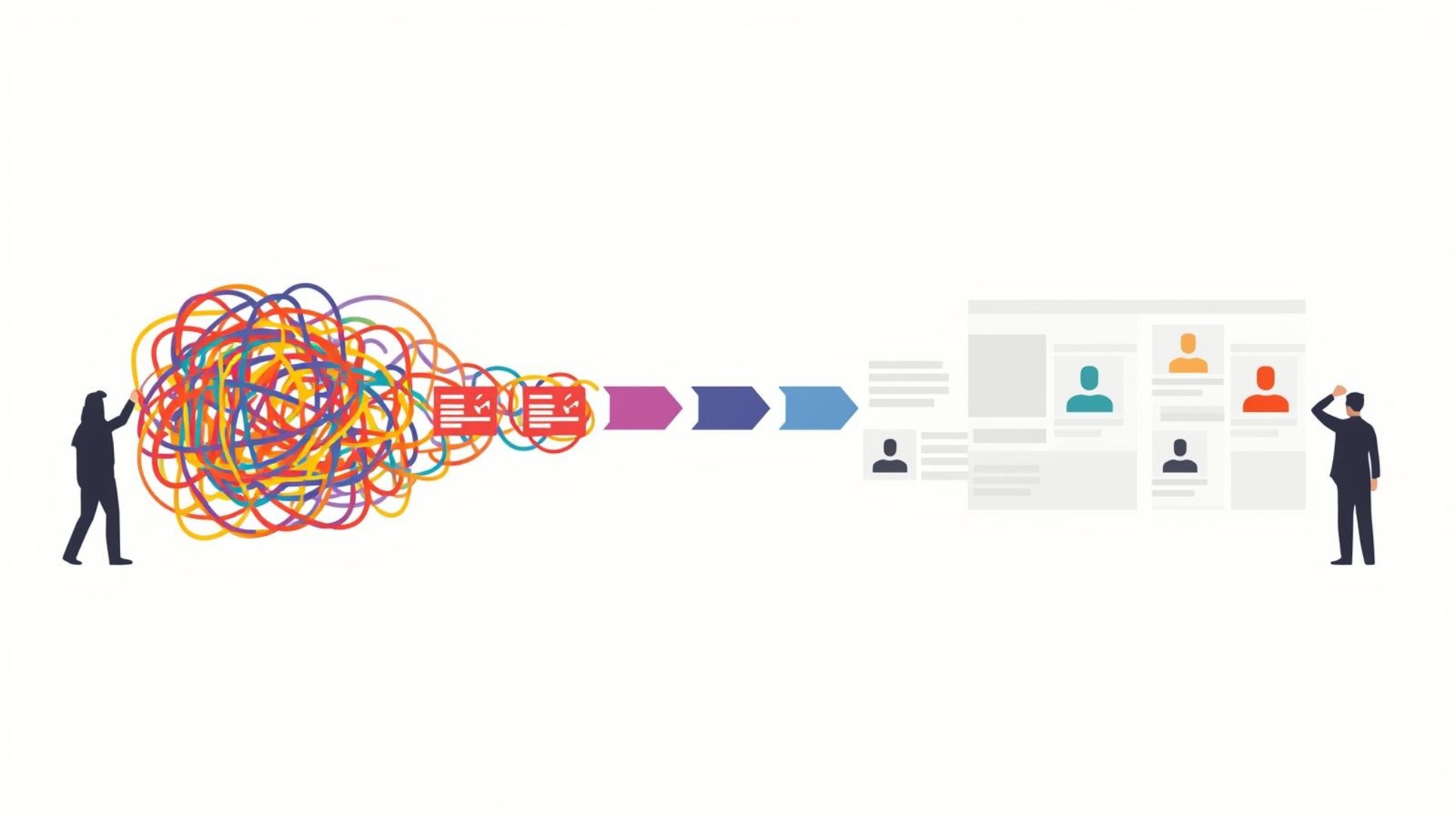
Design journeys, not just pages
A lot of rework happens because website development jumps straight into designing the home page, without understanding how people actually move through the site.
It is more effective to sketch a handful of priority journeys first. For instance:
- A buyer who clicks a LinkedIn post, lands on a case study, then wants to compare services
- A local partner searching for your EU funded project and trying to reach the right contact quickly
- A candidate who hears about you at an event and visits the site on a mobile to check culture and benefits
For each journey, define:
- Where they are likely to land
- What they need to see in the first 30 seconds
- What questions they will ask next
- What a successful next step looks like
When user journeys lead, structure follows. You avoid constant restructuring later, because the navigation, page hierarchy and calls to action are built around real paths instead of guesswork.
Bring content, data and tech into the room early
Rework often appears when content and technology catch up with the design.
Layouts are approved before anyone has checked if you have the right stories, case studies or imagery. Forms are sketched before you confirm how they should connect to CRM, mailing lists or project reporting tools. Security, accessibility or legal requirements get flagged just as the team is preparing to launch.
To avoid this, treat content, data and tech as first class citizens in website development.
At minimum, you should:
- Make a content inventory of what exists, what needs rewriting and what is missing
- Confirm which systems the site must integrate with, from CRMs to learning platforms
- Agree any non negotiable standards early, such as accessibility levels or data protection rules
When these elements are considered in discovery, the design and build can support them naturally. That saves you from redesigning whole sections simply because a vital integration or policy was not mentioned in the brief.
Make decisions easier with clear ownership and feedback rules
Another major driver of rework is unclear governance.
If everyone feels responsible for the website, nobody really is. Feedback arrives from all directions, often out of sequence. A senior stakeholder who has not been involved suddenly appears, dislikes a key screen and asks to see “another option”. The project swerves, and previous rounds of work are quietly discarded.
A better approach is to agree simple rules at the start of website development:
- Appoint a single internal owner with authority to make final decisions
- Define who gives feedback at each stage, and on which aspects
- Limit the number of formal revision rounds, while leaving space for small refinements
You can still involve a wide group in early workshops, but day to day decisions are channelled through a clear structure. Designers and developers then work to a stable brief instead of a moving target, which significantly reduces large scale rework.
Use prototypes and content samples to flush out issues early
Sometimes rework happens because problems are invisible until people see something tangible. You can use that to your advantage.
Rather than jumping from static designs straight into a full build, it often helps to:
- Create clickable prototypes that show how key journeys feel
- Populate a few key pages with real or near final content
- Test the prototype with a small group of internal users or friendly customers
This kind of light, early testing often reveals misalignments while it is still cheap to fix them. For instance, you might realise that a form is asking for too much information, that a call to action is unclear, or that an important reassurance is missing from a key page.
Fixing those points at prototype stage is quick. Discovering them six weeks into development is where expensive rework appears.
Plan for change after launch, not rework before launch
No website is ever “finished”. Products change, programmes launch and close, policies are updated and new opportunities appear. Website development has to allow for that reality.
The trick is to separate healthy iteration from wasteful rework.
You can do this by:
- Defining a clear minimum viable version of the site that meets current needs
- Parking non essential ideas in a backlog for later phases
- Agreeing a simple review rhythm, for example a quarterly check of performance and content
This way, you avoid trying to cram every possible requirement into the first launch, which usually causes delays and scope creep. Instead, you go live with a strong, focused version, then improve it steadily based on real user data and business priorities.
Conclusion: website development that feels calm, not chaotic
Rework will probably never disappear from website development completely. There will always be a late idea worth including, or a change in strategy that affects structure. The goal is not perfection. It is control.
By starting from outcomes, designing around journeys, involving content and tech early, clarifying ownership and testing smartly, you remove most of the avoidable rework that drains time and energy.
You get a project that feels structured rather than chaotic, where changes are conscious choices, not firefighting. You also get a website that lines up with how your business really works, rather than a glossy surface that needs fixing as soon as the launch email is sent.
For a partner like Matrix Internet, that is where website development is most rewarding. It is not about squeezing another redesign into the calendar. It is about helping you build a digital asset that works hard from day one, and keeps working without constant repair.
At Matrix Internet, we support organisations through website strategy, design, development and ongoing optimisation to ensure their platforms deliver measurable value.
FAQs
Delays and overruns usually come from unclear goals, late stakeholder input, missing content and unplanned integrations. When these are not addressed early, teams end up revisiting work that looked finished, which quickly increases time and cost.
Start by defining clear outcomes, mapping user journeys, involving content and technical owners from day one, and agreeing governance and feedback rules. Early prototypes with real content also help surface issues before development begins.
You will always find improvements after launch, and that is healthy. The aim is to avoid unnecessary rework during the project itself. A strong discovery phase, clear scope and phased roadmap mean you can launch confidently, then refine based on real user behaviour.
Not always. A structured audit can reveal whether targeted UX, content and performance improvements will be enough, or whether the underlying platform is holding you back. In some cases, a phased approach that prepares for a future rebuild is more cost effective than jumping straight into a complete replacement.
By Rachele