

BLOG
The website development checklist that stops projects going off the rails
Most website projects do not fail suddenly — they drift. This practical checklist shows what to clarify before design starts, helping you avoid rework, stay structured and launch without unnecessary stress.
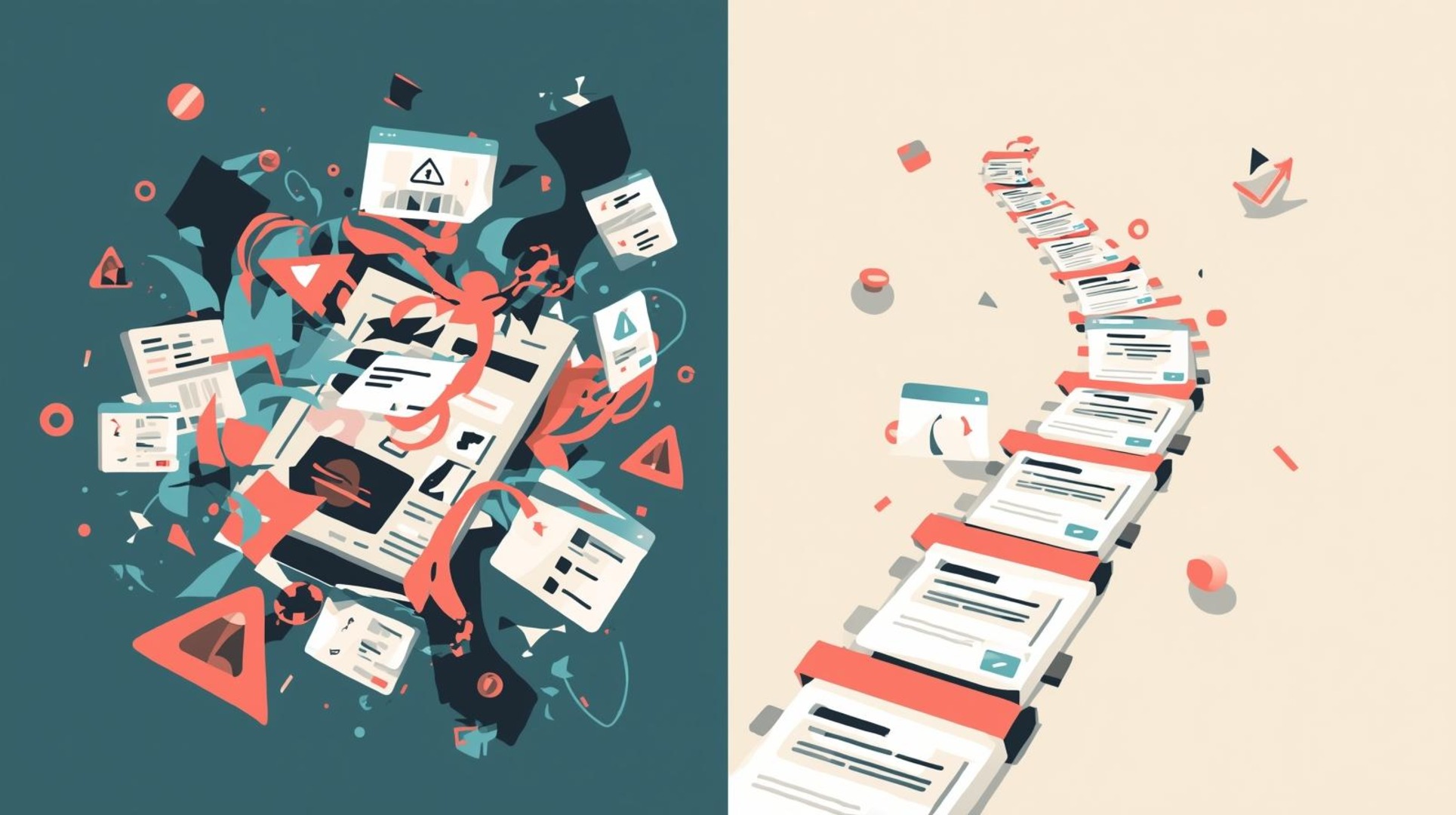
Most teams do not plan for a difficult website project. It happens gradually. Weeks pass, decisions pile up, the confident redesign that sounded clear at kick off starts to feel tangled, timelines slip and content drifts behind.
Website development does not have to feel like this. With a clear checklist in place before you start, you can avoid most of the chaos that sends projects off the rails, reduce rework and launch a site that supports your goals instead of exhausting your team.
What follows is a practical website development checklist for organisations that need structure and momentum, not just another set of mock ups with no plan behind them.
Why website development projects drift off course
When website development goes wrong, it is rarely because someone cannot write code or design a page. Problems usually begin much earlier, with vague goals, late arriving stakeholders, missing content and technical or compliance requirements that only appear halfway through.
Each of these adds friction. Work that looked finished is reopened, decisions are revisited and trust in the process erodes. The aim of a checklist is to make sure the right conversations happen at the right time so you are not surprised later.
The checklist: foundations before any layouts
These steps should happen before anyone starts sketching a home page.
1. Define success in plain language
Write down why you are investing in website development now. Keep it to a short paragraph that covers the audiences you care about and the outcomes you want, such as more qualified enquiries, clearer proof for partners or more and better applications. If you cannot explain success in a few sentences, you are not ready to brief design or development.
2. Choose an owner with real decision power
One person needs to own the website development project internally. They do not work alone, but they make final calls and keep everyone aligned. Without a clear owner, feedback arrives from multiple directions and the scope changes constantly.
3. Map your key audiences and journeys
You cannot design an effective site until you know who it is for and what they need to do. Pick three to five priority audiences and outline why they visit, what they must see first and what action you want them to take. Website development then focuses on supporting these journeys rather than trying to please everyone in a vague way.
The checklist: content, data and technology
Once the foundations are clear, move to the practical pieces that often cause projects to stall.
4. Audit content and integrations together
Before you commission a single new page, understand your starting point and your technical landscape. Review key pages, content types and analytics, along with performance issues such as slow loading. At the same time, list the systems your site connects to, such as CRMs, email tools, learning platforms, application systems and analytics, and note who owns each one.
Looking at content and integrations together helps you decide what to keep, what to rewrite and what to remove, and prevents you from discovering late in the project that a critical system or data requirement was never discussed.
5. Plan content as a real workstream
Content is one of the biggest reasons website development projects get stuck. For each major section of the site, decide who is responsible for writing and approval, what existing material can be adapted and where new stories, imagery or downloads are needed. Protect time in people’s calendars and match deadlines to the project plan so content is ready when design and development need it.
The checklist: delivery and governance
With foundations and inputs in place, you can now protect the build from drift.
6. Set clear rules for feedback, sign off and timing
Website development can involve many opinions. Decide early which stakeholders review which stages, how long each review window lasts and who resolves conflicting feedback. Be honest about where delays tend to happen and build time for content, review and testing into your schedule.
7. Test key journeys with real users
You do not need a large usability lab to benefit from user testing. A short round of tests with a small group of customers, partners or colleagues can reveal where people hesitate, what they miss and what confuses them. Fixing these issues before launch is much cheaper than discovering them later through lost enquiries or extra support work.
The checklist: life after launch
A website is not finished when it goes live. The final part of the checklist deals with what happens next.
8. Decide who runs the site and how it improves
Agree who will make routine content updates, handle new campaigns or products and liaise with your agency for support or new features. Choose a small set of metrics that matter, such as enquiries or applications, use of priority pages and behaviour from key markets, and review them regularly so changes are based on evidence rather than guesswork. Keep a live backlog of ideas and improvements, and work through it in small, regular steps so website development becomes a steady improvement process rather than a series of stressful overhauls.
Conclusion: website development with fewer surprises
Not every project can be completely smooth. Priorities change, people move roles and new needs appear. The aim of a checklist is not to freeze website development, but to remove the avoidable chaos.
By clarifying success, ownership, audiences, content, integrations, governance and life after launch, you give your team and your agency a much better chance of staying on track. You spend less time reopening old decisions and more time building something that genuinely supports growth and partnership.
Handled in this way, website development feels less like a risky leap and more like a managed investment in the way you do business. It also makes it easier to show the real impact of your digital work to leadership, customers and partners. A strong digital partner can help you work through this checklist and keep the project calm from discovery to launch.
FAQs
Because goals are vague, ownership is unclear, content is late and technical needs appear halfway through, which forces constant rework and delays.
Ideally one clear project owner with decision making authority, who can balance stakeholder input, keep scope under control and work closely with the agency.
From day one. Treat content as its own workstream, with named owners and deadlines, so writers and approvers are not scrambling at the end of the build.
Even a short round of testing with a handful of customers or partners can catch confusing journeys and missing information before launch, saving time and budget.
Assign someone to own ongoing updates, review a small set of key metrics regularly and keep a simple backlog of improvements so the site evolves in controlled steps.
By Rachele